Choosing a wood finish and leather swatch separately can feel simple, but that does not mean they will work together on the finished chair. A retail dining chair also needs to fit the wider assortment and target customer.
This guide helps buyers turn a collection idea into a focused material direction before sampling. As an Indonesian furniture supplier, MPP can support that process without taking over the buyer's design direction.
Between March and August 2026, MPP is producing a range of Sungkai wood and leather products, encompassing both new product development and reorders. The process follows a practical sequence: defining the collection direction, selecting Sungkai wood finishes, choosing leather colors and textures, applying materials, considering usage flexibility, compiling a shortlist of candidates, and finally, creating physical samples.
Start With the Direction of Your Indoor Furniture Collection
Before opening a box of swatches, define whether the collection should feel light, warm, natural, refined, or contemporary. That direction becomes the first filter when developing an indoor furniture collection.
The decision should also reflect your existing assortment, target customer, and retail positioning. MPP's article on indoor furniture that can sell all year round explains why each product should have a clear role within a wider assortment.
For a dining range, review the chair beside tables, stools, benches, and storage pieces instead of treating it as a stand-alone SKU. This makes it easier to judge whether the finish and leather combination supports the wider collection rather than only looking good on one chair.
Choose the Sungkai Finish and Leather as One Specification
Sungkai finish and leather should be judged as one visual composition, not as two separate color choices. A finish may look right alone, but the result changes once leather color, grain, sheen, and proportion enter the picture.
MPP's guide to Sungkai wood and leather combinations shows how changing finish or leather can shift the character of the same basic product. Here, the next decision is which pairing is worth turning into a sample.
A useful principle from Architectural Digest's guide to mixing dining tables and chairs is to allow contrast while keeping a shared visual element. For B2B development, that means controlled contrast that still follows one collection direction.
Match Leather Color With the Sungkai Finish
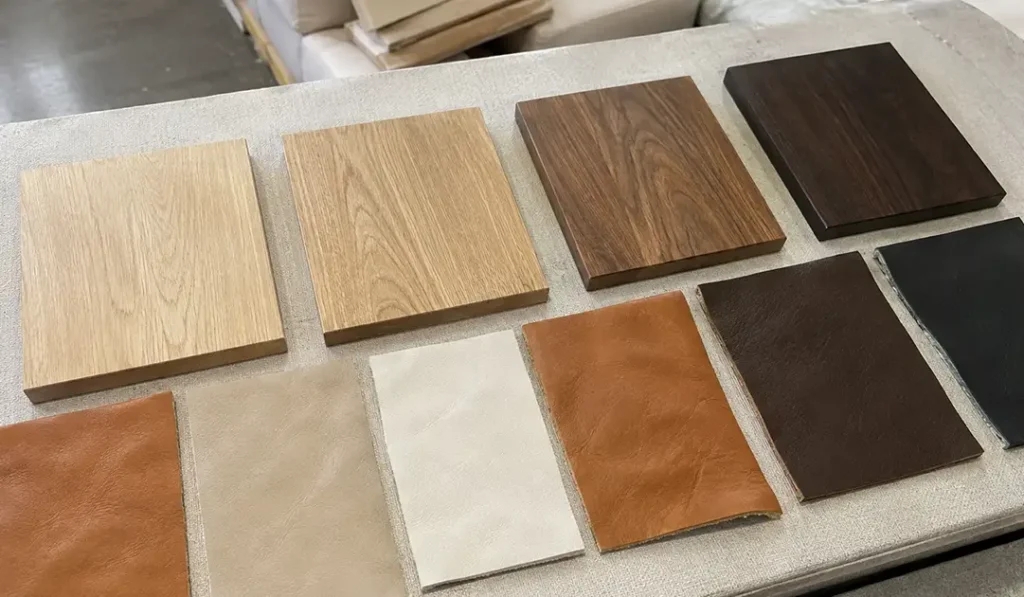
Natural and Light Sungkai Finishes
Tan, cognac, warm beige, and off-white are useful starting points for natural or light Sungkai. Buyers can keep the relationship tonal or create more contrast when the chair needs a stronger visual role.
Medium and Walnut-Toned Sungkai Finishes
Caramel, brown, muted neutrals, and black can work with warmer Sungkai directions. Keep enough separation so the wood grain and leather still read as two different materials.
Darker Sungkai Finishes
Lighter leather can make a dark frame feel less heavy, while dark leather creates a stronger continuous look. Check the choice against the full assortment because several dark products together can make the range feel visually dense.
Choose Leather Texture, Application, and Flexibility for the Chair Design
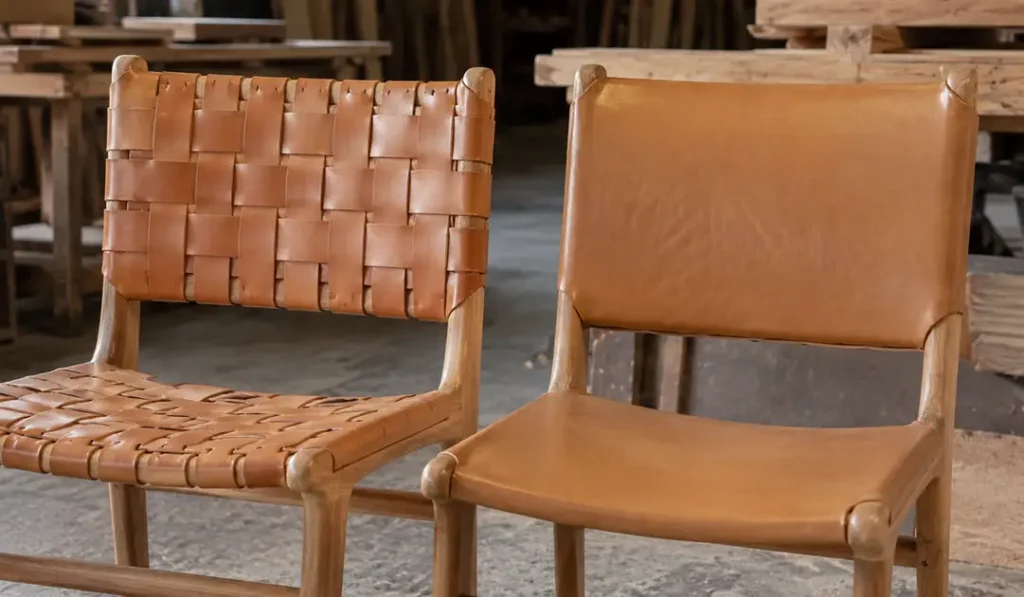
Smooth or More Textured Leather?
Smooth leather can support a cleaner, refined direction, while a more pronounced grain can feel more tactile and relaxed. Texture should follow the chair character and the wider indoor furniture program.
Woven Strips or Full Leather Panels?
Woven strips bring spacing and tension into the discussion, while a full seat or back panel makes flexibility and movement under load more important. So buyers should not choose leather from color and surface appearance alone.
Why Leather Firmness Can Matter
In one MPP development, the buyer first requested a relatively firm leather for a full-sheet seat. After reviewing that specific construction, MPP suggested a softer leather because the firmer option placed more tension toward the side frame when load was concentrated in the seat area.
This was a case-specific decision, not a rule that firm leather causes frame problems. The softer option also gave the appearance the buyer wanted with only a small cost difference.
Use a Simple Framework to Shortlist the Combination Before Sampling
A buyer does not need to compare every finish against every leather swatch. Use this sequence: collection direction → Sungkai finish → leather color → texture → application → flexibility → shortlist.
Start with two or three wood directions, then compare leather colors and textures that support the same idea. Next, check how the leather will be used on the chair and whether its firmness suits that application.
For custom dining room furniture, this process turns a wide selection into two or three sample-ready directions. The buyer keeps control of the final choice, while the manufacturer helps make the discussion more focused.
Starting Sungkai and Leather Combinations From Recent MPP Production Experience
Natural Sungkai + Tan or Cognac Leather
This pairing gives a warm, natural result while keeping the character of both materials visible. It can suit contemporary collections that want visible grain with a richer leather accent.
Light Sungkai + Beige or Off-White Leather
This direction can feel clean, light, and refined, so it can suit Scandinavian, Japandi, or lighter contemporary programs. Based on an MPP discussion with a leather supplier, a white target may need more controlled drying and coloring when the leather has relatively high oil content because residual oil can shift the final tone toward yellow.
Walnut-Toned Sungkai + Caramel or Dark Brown Leather
This combination can create a warmer, richer result without using the darkest possible wood finish. It can suit a more mature indoor assortment while keeping the Sungkai grain visible.
Dark Sungkai + Black Leather
Dark Sungkai with black leather creates a strong contemporary direction and gives the chair more visual presence. Review it beside the rest of the collection so the overall range does not become too heavy.
Confirm the Combination With Physical Samples Before Bulk Production
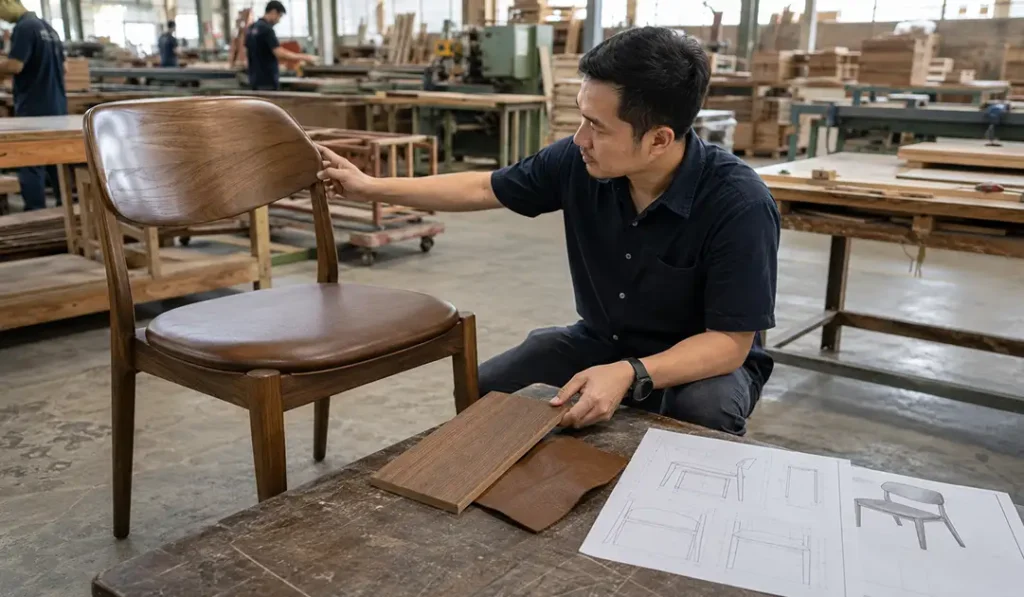
Digital images and separate swatches cannot show the full interaction between wood grain, finish sheen, leather tone, texture, and lighting. This matters even more with white or off-white leather, where small tone differences are easier to notice.
A physical swatch gives the buyer a better material reference, while a finished chair sample shows how those choices work at real scale. The approved sample can then become the reference for material application and product appearance.
MPP's guide to Sungkai furniture for consistent bulk production explains why the approved sample should carry forward into repeated production. In short, the material decision is complete when the combination works on the finished product, not only on the swatch table.
Develop Your Sungkai and Leather Dining Chair Combination With MPP Furniture
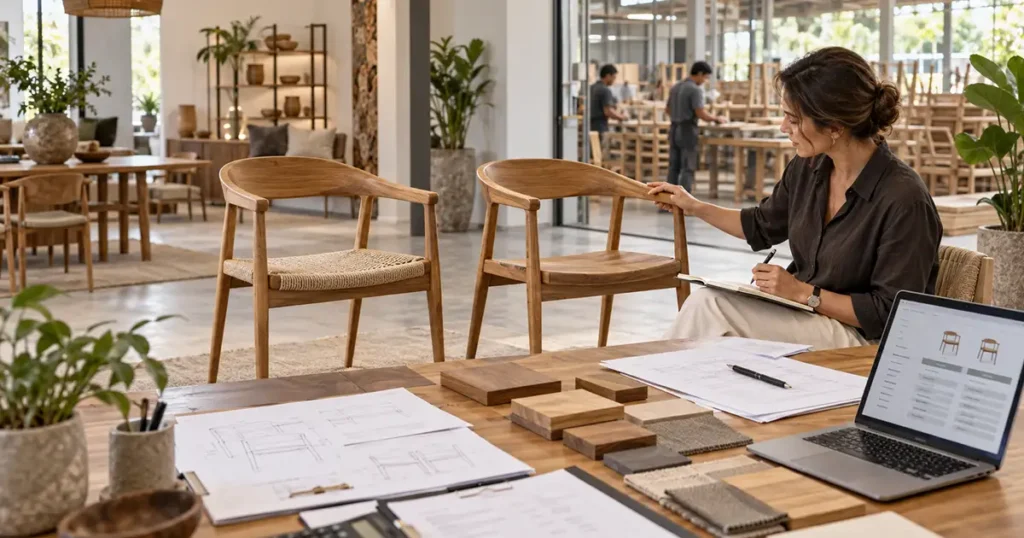
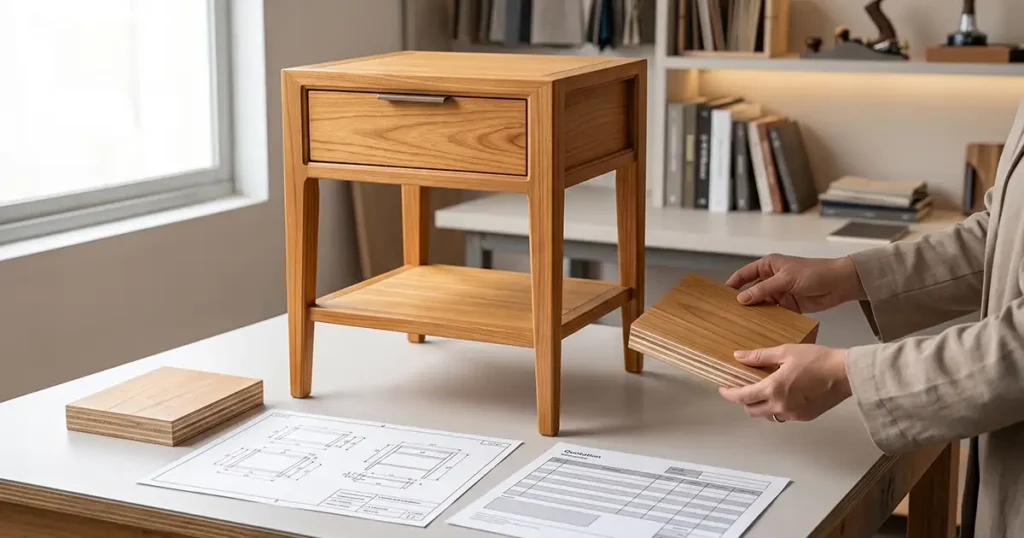
Buyers can start with a chair drawing, moodboard, reference image, preferred finish, leather swatch, or an existing collection. MPP can then help narrow the finish, leather color, texture, and application into a smaller set of options for discussion and sampling.
MPP combines skilled handwork with controlled machinery, in-house production, and quality checks at each production stage. Free consultation, free product development, and custom or private-label services give buyers room to test a direction before bulk production.
In short, the buyer still decides where the collection should go. MPP's role is to translate that direction into a specification that can be reviewed, sampled, and repeated with attention to design consistency and finishing quality.
Need Help Choosing the Right Sungkai and Leather Combination?
Send MPP your chair design, moodboard, existing collection, preferred Sungkai finish, or leather reference. MPP can help narrow the material direction into practical options for swatch review and sample development before you decide on bulk production.
FAQ: Sungkai Wood and Leather Combinations
1. What should buyers prepare before requesting a Sungkai and leather dining chair sample?
Buyers can start with a chair drawing, reference image, moodboard, preferred Sungkai finish, leather color, or an existing collection direction. These references help the manufacturer narrow the material options before developing physical swatches and a finished sample.
2. How many Sungkai and leather combinations should buyers shortlist before sampling?
Two or three combinations are a practical starting point for focused comparison. This gives buyers enough choice without creating too many sample directions at the same time.
3. Can the same custom dining chair design use different finish and leather combinations?
Yes. In MPP repeat-order production, the basic furniture design can remain the same while the wood finish, leather color, or texture changes to support a different collection direction.
4. When does leather flexibility matter in a dining chair?
Leather flexibility matters when the material needs to bend, weave, stretch, or carry tension as part of the chair construction. The right firmness depends on how the leather is applied and how it interacts with the frame.
5. Why should white or off-white leather be checked with a physical sample?
Light leather colors can make small tone differences easier to see. The leather base, oil content, coloring process, wood finish, and lighting can all affect how the final combination appears.
A versatile content creator with a strong foundation in product photography and videography, and a comprehensive brand strategy. Capable of creating engaging content to connect consumers and producers, web analytics, and engaging visual content to drive interest and growth for a product or brand.
0 Comments