Many furniture importers and retailers experience the same frustrating situation when sourcing products. The first custom furniture order arrives beautifully, but the second or third batch suddenly feels different in finish, construction, or overall quality. This inconsistency is a common struggle that costs buyers both time and money.
Fortunately, this drop in quality is rarely intentional, and understanding the root cause can help you fix it. The issue usually happens because a supplier's production system simply cannot maintain the same consistency once manufacturing scales up. By identifying these hidden production gaps, you can secure reliable and repeatable results for every shipment.
In this article, you will learn exactly why the quality of custom wood furniture drops after the first batch. We will reveal what actually happens on the production floor and how you can prevent costly inconsistency before placing larger repeat orders. You will also understand how to evaluate a custom furniture manufacturer and spot a stable partner that delivers excellent quality far beyond the sample stage.
The “Perfect First Order” Illusion

The first order from a new supplier often receives exceptional attention, arriving flawlessly and creating a strong first impression. In many factories, these initial samples are handled directly by senior craftsmen or closely supervised teams under manageable production volumes.
However, the problem begins when production volume increases, and subsequent orders suddenly drop in finishing quality, construction, or overall quality. Once repeat orders become larger, the workflow changes, more workers become involved, and production pressure starts affecting the once-perfect consistency.
This is why custom wood furniture quality drops after the first batch, as the initial prototype only proves the supplier's capability, not their production stability. Experienced importers know that true supplier evaluation lies in repeatability, which requires a deeper look into their manufacturing systems.
Why This Issue Is More Common Than You Think
Quality inconsistency happens across many parts of the furniture export industry, affecting even established manufacturers. It is a misconception that this issue is limited to inexperienced suppliers or "bad" factories with low standards.
The root cause of this issue usually comes from the operational gap between prototype sample-making and mass volume production. A supplier may have excellent craftsmanship for single pieces but lack the documented systems required to maintain that exact standard once production scales up.
Unfortunately, many retailers overlook early warning signs during the first collaboration because they focus mainly on visual appearance and delivery timing. By rarely asking whether the same production team handles repeat orders or if documented quality standards exist, buyers make critical mistakes when ordering custom furniture by failing to evaluate the factory's operational systems, exposing themselves to hidden risks.
The Real Reasons Why Furniture Quality Drops After the First Order
Sample vs Mass Production Gap
A furniture sample is usually created under controlled conditions. The supplier has more time, fewer units to manage, and stronger supervision during production.
Mass production works very differently. Instead of producing one perfect piece, the factory must maintain consistency across dozens or hundreds of units within strict deadlines.
This is where many suppliers struggle and exactly why some suppliers look good on paper but fail in production. A beautiful prototype only proves production capability but not production stability.
In some factories, senior craftsmen create the sample while junior teams handle volume production later. This naturally creates differences in finishing, sanding quality, joinery precision, and overall consistency.
Lack of Standardized Quality Control

Many furniture suppliers still depend heavily on human experience instead of documented systems. While skilled workers are valuable, consistency becomes difficult when quality standards are undocumented and rely solely on a worker's memory.
Without standardized checkpoints, small differences quickly appear between batches. One worker may apply thicker finishing, while another sands more aggressively or assembles parts differently.
Reliable manufacturers reduce this risk through documented quality control systems. This includes clear measurements, finishing standards, moisture targets, joinery specifications, and inspection checkpoints at every stage.
At the same time, quality control must happen continuously, not only before shipment. Problems discovered too late often create expensive rework and delivery delays.
Material Variability
Wood is a natural material, so consistency depends heavily on material selection systems. Even when using the same wood species, different timber batches can produce different visual and structural results.
Moisture content, grain pattern, density, and finishing absorption may vary between wood supplies. If the manufacturer lacks proper grading systems, the final products may no longer match previous orders.
This issue becomes more visible in custom furniture because buyers expect high visual consistency. Small changes in color tone or texture may already affect the product line's appearance.
Experienced Indonesian furniture manufacturers manage this through stricter kiln-drying control, material grading, and controlled sourcing. This helps maintain a more stable result across larger production batches.
Scaling Pressure and Cost Cutting
Production pressure increases significantly once order quantities grow. Tight lead times often push factories to prioritize speed over precision.
During peak production periods, some suppliers begin cutting crucial steps to save time. For example, a thorough 10-step finishing process might suddenly be reduced to just 7 steps. The rush to meet strict deadlines also impacts material selection, causing factories to compromise on proper wood grading just to keep the assembly line moving.
Workforce overload also creates operational inconsistency. Workers handling excessive daily targets usually struggle to maintain the same attention to detail as during smaller sample production.
This is why stable production systems matter more than short-term production speed. Consistency requires controlled workflow management, not rushed manufacturing.
Subcontracting Without Transparency
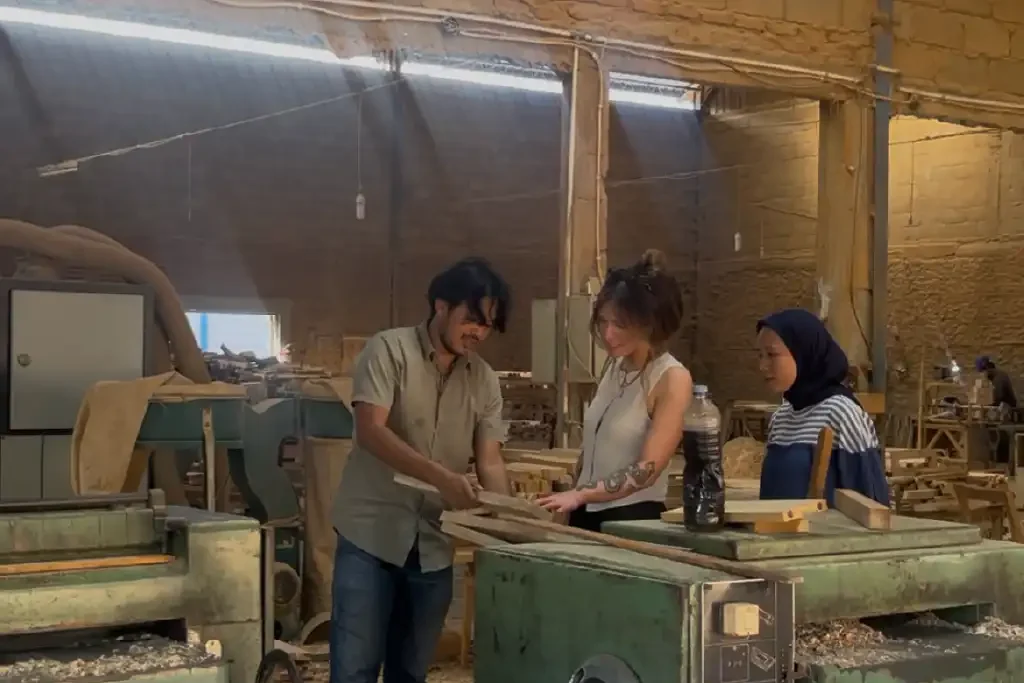
One of the biggest hidden risks in furniture manufacturing is uncontrolled subcontracting. Buyers may believe they are working with one factory, while actual production is spread across multiple workshops.
This creates major consistency problems because every workshop may use different tools, workers, standards, and finishing methods. As a result, products from the same order may look slightly different from one another.
Transparent manufacturers usually explain clearly which stages are handled internally and which are outsourced. This helps buyers understand how quality is being controlled across the production process.
At MPP Furniture, all production stages are conducted through controlled in-house systems because consistency becomes difficult when too many external parties are involved. This operational structure helps maintain stable craftsmanship quality across repeat orders.
Poor Communication & Documentation
Poor documentation is another major reason why the quality of custom furniture changes over time. Many suppliers rely on verbal instructions or incomplete references during repeat production.
When specifications are unclear, workers naturally make assumptions. Small interpretation differences can affect dimensions, finishing color, hardware placement, or joinery details.
This becomes even more dangerous when production teams change between batches. Without proper technical documentation, the second production team may follow a completely different understanding of the product.
Strong manufacturers reduce this risk through detailed production drawings, finish references, revision tracking, and standardized specifications. Good communication creates stable execution because everyone follows the same production language.
How to Prevent Quality Drops in Future Orders
Standardize Specifications
Clear specifications reduce production assumptions. Buyers should prepare detailed drawings, dimensions, finishing references, and packaging instructions before production begins. To better understand which specifications matter most, read our guide on what you can and should customize when sourcing Indonesian wood furniture. This documentation becomes the production standard for future batches.
This documentation becomes the production standard for future batches. It also helps new production teams maintain the same expectations across repeat orders.
The clearer the documentation, the lower the risk of inconsistency. Strong communication systems create stronger manufacturing outcomes.
Implement Third-Party Inspections
Third-party inspections help buyers evaluate consistency more objectively. These inspections can happen during production, before packaging, or before shipment.
Mid-production inspections are especially useful because problems can still be corrected before the entire batch is completed. This reduces expensive rework later, which is a crucial factor in managing your overall custom furniture cost.
Professional inspections also create accountability across the production team. Suppliers usually maintain tighter standards when inspections are structured and measurable.
Start with Scalable Production Tests
Many buyers move too quickly from prototype approval into large production orders. This creates unnecessary risk because the supplier’s scalability has not been tested properly.
A better approach is to start with medium-volume trial production first. This allows buyers to evaluate whether the supplier can maintain stable quality under larger operational pressure.
The goal is not only to evaluate appearance but also to evaluate repeatability. A reliable manufacturer should consistently produce the same result across multiple production cycles.
This sourcing strategy helps buyers identify operational weaknesses before larger investments are involved.
Build Long-Term Supplier Alignment
Furniture consistency improves when buyers and manufacturers build operational familiarity over time. Long-term collaboration creates a better understanding of quality expectations, communication style, and production standards.
Manufacturers also become more familiar with the buyer’s preferred finishing style, packaging standards, and quality tolerance. This reduces interpretation mistakes during future orders.
At the same time, buyers gain better visibility into how the supplier operates internally. This creates stronger production planning and more realistic lead-time expectations.
Consistency is rarely achieved through one successful order alone. It usually comes from stable systems and aligned long-term collaboration.
Work with Manufacturers That Have Systems
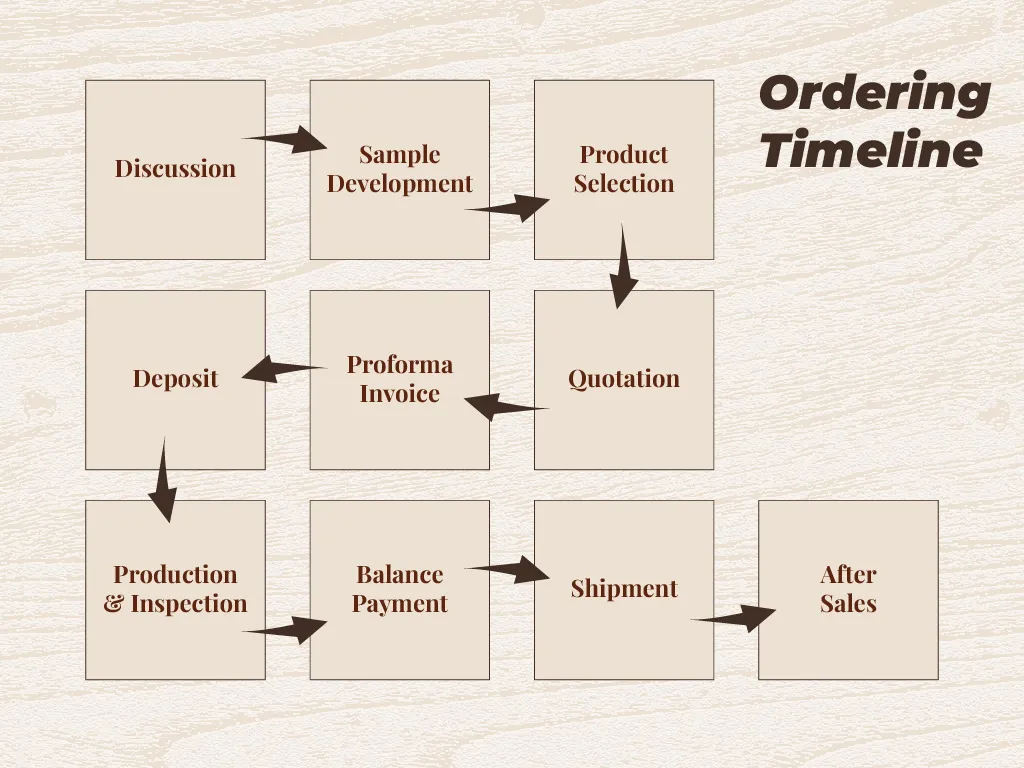
Strong production systems matter more than temporary craftsmanship performance. Buyers should prioritize manufacturers with structured workflows instead of suppliers that only depend on individual worker skill.
Reliable manufacturers usually have documented quality control, controlled production flow, in-house supervision, and stable workforce management. These systems help maintain consistency even when production scales up.
At MPP Furniture, handcrafted production is supported by controlled manufacturing systems, detailed inspection stages, and in-house coordination. This combination helps maintain design consistency while still preserving the artisanal character of custom furniture production.
For buyers, this operational structure creates lower long-term sourcing risk because quality becomes measurable and repeatable.
What to Look for in a Reliable Indonesian Wood Furniture Manufacturer
As outlined in a proper custom furniture manufacturer guide, a reliable manufacturer should operate with a documented quality control system rather than relying solely on individual craftsmanship. This includes strict inspection checkpoints, technical specifications, and clear production standards across all stages to ensure every piece matches the approved sample.
Consistent workforce management also matters significantly when scaling repeat orders. Stable production teams create more consistent results because the workers already understand the expected standards, workflow, and specific details of your product line.
Transparent communication is another essential requirement for long-term sourcing success. Reliable manufacturing partners will openly discuss lead times, production challenges, revision processes, and material limitations instead of hiding operational issues until it is too late.
Finally, proven export experience helps maintain consistency across international shipments. Manufacturers that regularly handle global repeat orders naturally understand the critical importance of stable finishing, robust packaging quality, and strict production accuracy.
Final Thoughts: Consistency Is a System, Not Luck
Furniture quality drops are usually predictable, not accidental, stemming from weak systems rather than accidental factors. Most inconsistency problems arise from unclear communication, uncontrolled scaling, or poor operational management once the order volume increases.
This is why buyers must encourage a proactive sourcing strategy by evaluating manufacturers beyond their beautiful prototypes. The safest approach is prioritizing operational stability from the beginning, ensuring the supplier combines craftsmanship with repeatable, documented systems.
If you are planning future custom furniture production, choosing the right manufacturing partner can help you reduce these risks significantly. Explore more sourcing insights and secure your long-term production consistency by working with an experienced Indonesian manufacturer with controlled in-house systems at MPP Furniture.
Ensuring Furniture Quality & Consistency?
Talk to our team to discuss your quality standards, production controls, and consistency requirements before placing your next large order.
FAQs: Furniture Manufacturing Quality
1. Why does furniture quality change after repeat orders?
Furniture quality usually changes because production conditions become more complex during larger orders. More workers, tighter deadlines, and inconsistent systems often affect final results.
2. How can buyers test supplier consistency before large orders?
Buyers should start with medium-volume production tests before placing large orders. This helps evaluate whether the supplier can maintain stable quality at scale.
3. Does subcontracting affect furniture quality?
Yes. Uncontrolled subcontracting often creates inconsistent workmanship, finishing differences, and communication gaps between production teams.
4. What quality control systems matter in furniture manufacturing?
Important systems include documented inspections, moisture control, finishing standards, technical drawings, and production checkpoints across every stage.
5. How do reliable furniture manufacturers maintain consistency?
Reliable manufacturers maintain consistency through in-house production control, standardized workflows, stable workforce management, and detailed production documentation.

I am a Web Designer, Technical SEO Specialist, and writer with 6+ years of experience in website optimization and search visibility. For more than a year, I have supported MPP Furniture’s growth, and I am currently expanding my role as an author to help B2B furniture buyers make more informed business decisions through informative, practical, and impactful articles.
0 Comments